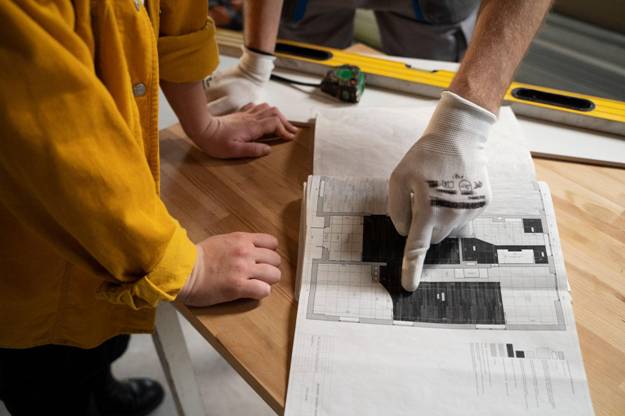
So the roof’s leaking. Or maybe the furnace gave out. Doesn’t really matter — it’s expensive, and it needs to get handled. Fast. That’s the thing about home repairs: they don’t care about your timing. They just show up. And suddenly you’re doing mental gymnastics trying to figure out how to afford it without derailing your entire financial life. Let’s walk through what you can actually do — not someday, but now — to cover major fixes without setting yourself on fire.
Using Conventional Home Improvement Loans
Yeah, the classic stuff: home improvement loans, maybe a line of credit if your bank still knows your name. They’re predictable. You borrow a lump sum, pay it off on a schedule. Not super exciting, but reliable. If your credit’s clean and your income’s steady, these can work fine. That said, lenders are picky right now. And if you’re in a hurry or your credit’s taken a hit lately, expect some hoops. Still, for bigger projects with a little lead time, it’s a road worth walking.
Accessing Home Equity for Repairs
If you’ve been in your house a few years, chances are you’ve built up some equity. That’s basically money trapped in your walls, and you can tap into it through a home equity loan or a HELOC. It can be cheaper money compared to personal loans, but it comes with weight. Miss payments, and the consequences are heavy — we’re talking foreclosure territory. So yeah, it’s a powerful move… but don’t treat it like a cheat code. Run the numbers, know the risk, and maybe sleep on it before signing anything.
Exploring Government-Backed Rehabilitation Options
Here’s one not everyone knows about: the FHA 203(k) loan. It’s built for stuff like this — combining the costs of buying a home with the cost to fix it up. Or just fixing up the place you already live in. It’s got rules, forms, government things. But if you’re already dealing with contractors and city permits, this might just blend in with the chaos. If you’ve got the patience and can follow a checklist, this could unlock a lot of money at a decent rate.
Refinancing Through FHA Programs
This one’s more for folks already in the middle of a mortgage. If you’re eligible, an FHA refinance could reset your loan into something more manageable. Think lower monthly payments, softer credit requirements. It might even free up cash for that repair you’ve been putting off. Just keep in mind: most of these refis require mortgage insurance premiums, both upfront and monthly. Also, you typically need to have made six months of payments on your current mortgage before you can even apply. Still, if you’re looking for relief, the benefits of the FHA cash out plan can open that door.
Applying for Emergency Repair Funding
You wake up and your water heater’s burst. Or worse — the power’s out in January. This isn’t the time for long-term financial strategy. You just need help. Emergency repair loans are built for this. They’re not perfect. Interest rates can be high, and you’ll pay them off quicker than you might like. But they exist for a reason. You use it, fix the problem, then later refinance or consolidate if you need to. Think of this as your “break glass in case of…” option.
Considering FHA Title 1 Improvement Loans
Title 1 loans are kind of the FHA’s little sibling. They don’t get much attention, but they can be surprisingly helpful. You don’t need a pile of equity, and the loan can cover a range of repairs — not cosmetic fluff, but real stuff like roofing, accessibility upgrades, even appliances in some cases. It’s not huge money, but it can be just enough to get out of a jam. And it’s backed by the government, so lenders are a bit more open to people with less-than-perfect credit.
Evaluating Unsecured Personal Loan Options
Let’s say you don’t want to touch your mortgage. You just need a chunk of cash to get through this repair and move on. Personal loans can make that happen fast. No collateral, no home inspection. You apply, maybe get the money in 48 hours. But the interest rate? That’s the kicker. Especially if your credit’s bruised. This is a “we need it now” kind of move, not a “let’s get the best deal” play. Still, it’s better than swiping a credit card at 24% APR.
Here’s the truth — the repair’s coming whether you’re ready or not. So be ready. Know what your credit looks like, what equity you’ve got, and who you’d call first if something big breaks tomorrow. When you’ve got that plan in your back pocket, everything feels a little less shaky. Maybe you won’t use it. Maybe you’ll be lucky for another year. But when the ceiling starts leaking, you’ll be glad you didn’t wait to figure it out.
Discover your dream home or list your property for free with FSBO Home Listings, where buyers and sellers connect directly without the hassle of agent fees!