
Do we need a real estate agent? Generally speaking, most people do. Moreover, selling your house on your own, however, might be thrilling and profitable if you’re a present homeowner and a traditional do-it-yourselfer. If you want to make your house sale a DIY effort, there are a lot of things to think about before you start, and have seamless, owner-to-owner property transactions.
Additionally, if you’re looking to buy a property, you may have noticed homes with the words “For Sale By Owner” visible on the front. If so, you may question whether it is a fantastic chance for a purchase or a risk of a legal horror. In actuality, it might be either, depending on a number of variables.
Owner-to-Owner Property Transactions: How it Works for the Seller
Homeowners can sell their property through FSBO without the assistance of a real estate professional. Here is a basic explanation of how FSBO operates:
How it Works for the Buyer
On the other hand, to guarantee a seamless negotiation and sale, there are a few essential things you should do if you’re thinking of pursuing an FSBO house.
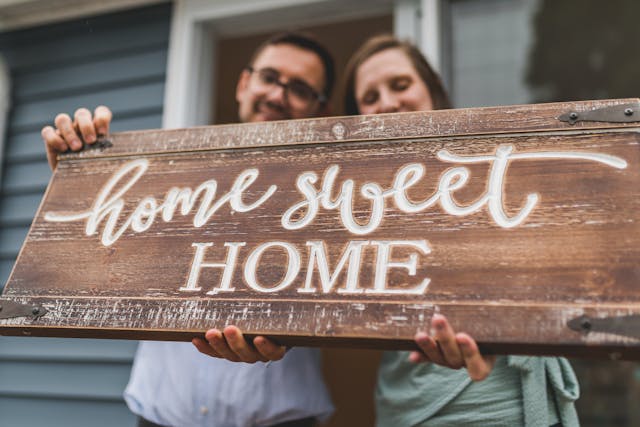
Celebrating a successful owner-to-owner closing, and turning a house into a home sweet home
Closing Steps for Owner-to-Owner Property Transactions
Understanding the closing procedure is essential when closing on your house without the help of a real estate agent. The following are the last actions that usually take place prior to giving the new owner the keys.
Get the paperwork ready
Collect any important documents, such as the property disclosures, title deed, and any pertinent inspection reports. The selling agreement and confirmation of ownership must also be given to the buyer.
Decide on a closing method
Choose if you want to close by mail, in person at a title company, or online using a digital closure service. Every technique has a unique set of specifications and deadlines.
Work together with the purchaser
Discuss the closing date and address any unexpected issues directly with the purchaser to keep everything clear. It’s smart to handle the things you should do before you move out, such as deep-cleaning the home, documenting recent renovation work, and keeping personal belongings with you. Make sure that all conditions, including agreed repairs or financial credits, are confirmed and accepted by both sides.
Employ a lawyer or title company
It might be a good idea to think about hiring a title business or real estate lawyer to help with the closing process if you’re managing the transaction without the help of a real estate agent. They may help make sure that all legal criteria are fulfilled and facilitate the money transfer.
Provide a last walkthrough
Permit the buyer to have one last look around the property to make sure everything is as agreed upon. When taking this step, any last-minute disagreements are avoided.
Fill in the final sentence
The closing statement, which lists all expenses related to the transaction, including taxes, fees, and the final sale price, should be reviewed and signed.
Transfer ownership
You will formally turn over the keys to the new owner when all paperwork has been completed and money has been transferred. Don’t forget to provide any important directions on the property’s systems.
Inform the appropriate authorities
After closing, it’s important to notify your local tax office about the ownership transfer so records stay accurate. Some municipalities may also require updated information for property assessments or billing purposes. Taking this step promptly helps avoid misunderstandings with future tax obligations.
Connected closing expenses
Understanding the closing fees for owner-to-owner property transactions is essential. Real estate agent commissions may be reduced, but there may be additional costs. The following are typical FSBO expenses to take into account.
Final Words on Closing Steps for Owner-to-Owner Property Transactions
Without a real estate agent, selling a home may be a difficult and time-consuming process. However, new real estate websites and greater internet information availability are making it increasingly popular for homeowners to sell their homes. Likewise, purchasing an FSBO home has both some dangers and a lot of possible advantages. In addition to saving money on agent costs and discovering comforting information about your new neighbors and community, you could find your ideal house at a fantastic price and close the owner-to-owner property transactions.